Immigration Lawyer: How to Choose the Right Help
Need an immigration lawyer in Charlotte? Learn when to hire one, what to expect, and how to avoid delays. Call 1-844-967-3536 (Se Habla Español).
Vasquez Law Firm
Published on January 14, 2026

Immigration Lawyer: What They Do and When You Need One
If you are trying to live, work, or stay in the U.S., hiring the right immigration lawyer can make the process clearer and help you avoid costly mistakes. Immigration rules change often, and even “small” errors—like missing a deadline or sending the wrong evidence—can lead to long delays or denials. This matters for families, workers, students, and anyone facing removal. Below, we break down what an immigration lawyer does, how the system works, and how to protect your case.
Not sure where to start? Call 1-844-967-3536 to discuss your options, or request a consultation. Se Habla Español.
What This News Means for Charlotte Residents
Public debates about immigration often focus on slogans instead of solutions. A recent opinion piece argues for a more fair immigration system and warns against empty rhetoric. For many families, the issue is not politics—it is time, paperwork, and whether a loved one can stay.
Why this discussion matters right now
When public pressure increases, policies and enforcement priorities can shift. That can affect how cases are processed and how interviews or court hearings are scheduled. Here is the article that sparked this conversation: opinion article calling for a more just immigration system.
Local impact: what we see in real cases
Serving charlotte residents, we often see the same problems: confusing forms, unclear eligibility rules, and long waiting times. Many people do not realize that the “right” strategy depends on facts like how someone entered the U.S., past immigration history, and criminal or prior court issues.
What you can control in your case
You cannot control government backlogs, but you can control the quality of your filing. A strong case usually includes:
- Correct forms and filing fees
- Clear evidence that matches the legal requirements
- Organized timelines and consistent statements
- Proof of identity, lawful entry (if required), and qualifying relationships
What an Immigration Lawyer Does (Beyond Filling Out Forms)
Many people come to us after trying to file on their own. They are not “bad” at paperwork. The problem is that immigration law is not just paperwork—it is a legal system with strict rules and serious consequences.
Case strategy and eligibility screening
A good immigration lawyer starts by checking eligibility and risks. That includes looking for issues like unlawful presence, misrepresentation, prior orders, or missed hearings. These issues can change what options are available.
For example, a person may think they can “just adjust status,” but the law has detailed requirements. Adjustment of status is governed by 8 U.S.C. § 1255, and eligibility depends on more than just a marriage certificate or an employer letter.
Building evidence that meets legal standards
USCIS and the immigration courts decide cases based on evidence. Your lawyer helps you gather and present that evidence in a way that matches the legal test. This often includes:
- Affidavits from family, employers, or community members
- Medical, school, and financial records
- Country conditions evidence for humanitarian cases
- Certified court dispositions if there is any criminal history
Representation at interviews and in immigration court
Some cases involve USCIS interviews. Others involve hearings before the Executive Office for Immigration Review (EOIR). Your lawyer prepares you to answer questions clearly and truthfully, and helps protect your rights if the government challenges your case. You can learn more about EOIR’s role here: Executive Office for Immigration Review (EOIR).
Common Reasons People Hire an Immigration Lawyer
Immigration law affects families, workers, and people seeking safety. The “right” process depends on your goals and your history.
Family-based immigration (petitions, green cards, waivers)
Family cases can involve petitions, consular processing, adjustment of status, and waivers. Many people do not realize that a past overstay or a past entry without inspection can change the process. Family petitions are often tied to 8 U.S.C. § 1154, and each category has its own rules.
Examples of family-based needs include:
- Marriage-based green cards
- Petitions for parents or children
- Fiancé(e) visas and follow-to-join cases
- Waivers for unlawful presence or misrepresentation
Work visas and employment-based green cards
Employment cases can move quickly—or stall—depending on how the job and the person’s background are documented. A qualified immigration lawyer can coordinate with an employer to reduce mistakes and respond to government requests for evidence.
For many nonimmigrant visas and consular steps, the U.S. Department of State provides official guidance at travel.state.gov (U.S. visas).
Removal defense and urgent filings
If someone is in removal proceedings, the stakes are high. Missing a deadline can lead to a removal order. If you are scheduled for a hearing, get legal advice as early as possible.
In and around charlotte, many people interact with USCIS appointments, biometrics, or immigration court matters while also juggling work and family. Planning matters.
Reminder: If you have a deadline, an interview notice, or a court date, do not wait. Call 1-844-967-3536 or reach us through /contact. Se Habla Español.
How the Immigration Process Works (USCIS, DOS, and EOIR)
Many people feel overwhelmed because “immigration” is not one agency. Different steps can involve different agencies, with different rules and timelines.
USCIS: petitions, benefits, and interviews
USCIS decides many applications, including family petitions, work authorization, naturalization, and adjustment of status. Official forms, fee updates, and filing instructions are published on USCIS.gov. Always use official sources to avoid scams.
Regulations also matter. For example, adjustment of status rules appear in regulations like 8 C.F.R. § 245.1, which explains eligibility and restrictions in more detail.
Department of State: consular processing abroad
If you are processing through a U.S. consulate abroad, the Department of State handles the interview stage and visa issuance. This is common for family-based immigration when the person is outside the U.S. or cannot adjust status inside the U.S.
EOIR: immigration court and appeals
EOIR oversees immigration courts and the Board of Immigration Appeals. Court cases can involve bond, relief applications, evidence submissions, and multiple hearings. If your case is in court, preparation is not optional—it is the foundation of your defense.
For people living in charlotte, court logistics and deadlines can be hard, especially if work schedules or childcare are limited. A lawyer can help you track hearing dates, filing requirements, and document formatting.
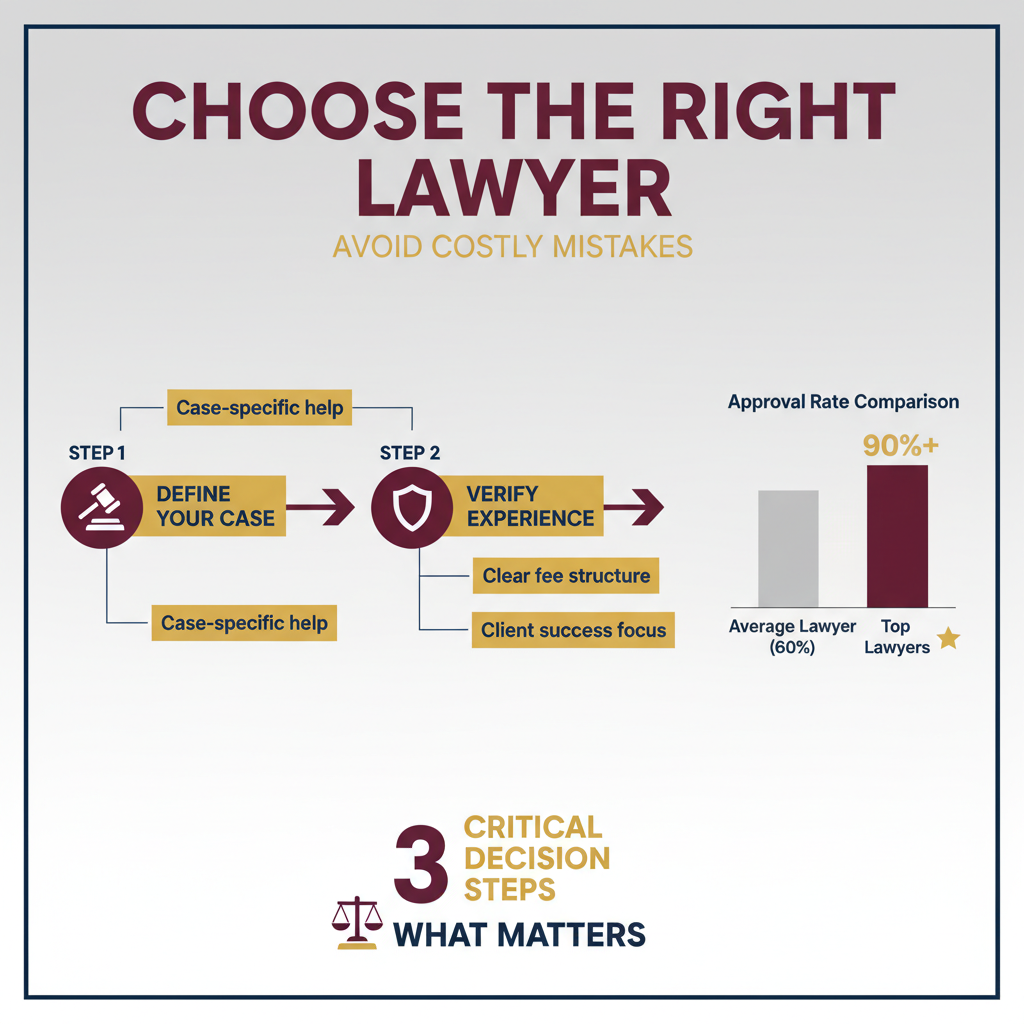
How to Choose the Right Immigration Lawyer in Charlotte
Not all legal help is the same. You should look for a lawyer who understands both the law and the practical steps needed to move your case forward.
Credentials, licensing, and experience
Attorney experience and licensing matter because immigration cases can affect your ability to stay in the U.S. Attorney Vasquez, JD, has 15 years of experience and is admitted to the North Carolina State Bar and the Florida Bar. That background supports careful legal analysis and clear guidance.
Also ask whether your lawyer regularly handles your type of case (family, work, court, waivers). A strong immigration lawyer should explain both the best-case and worst-case outcomes.
Red flags to avoid
Be cautious if someone:
- Promises a “guaranteed” result
- Refuses to give you copies of what is filed
- Tells you to lie or hide past facts
- Cannot explain the legal basis for a plan
Local support and communication (Se Habla Español)
Clear communication is critical. Vasquez Law Firm, PLLC supports clients who prefer Spanish: Se Habla Español. We also understand local realities—like travel time, work schedules, and coordinating evidence from schools, employers, and doctors.
We are proud to serve charlotte and nearby communities like Concord, Gastonia, Huntersville, Matthews, and Monroe.
How Vasquez Law Firm, PLLC Helps Clients Move Forward
Many people come to us feeling stuck. Our job is to bring order and direction to a stressful process. We focus on clear plans, strong evidence, and honest risk assessments.

Our process: clarity first, then action
When you work with our team, we typically:
- Review your immigration history, documents, and goals
- Identify options and risks (including deadlines)
- Create a checklist of evidence tailored to your case
- Prepare forms, legal arguments, and supporting exhibits
- Prepare you for interviews or hearings
Explore our immigration services
To learn more about our approach, visit our Immigration Law services page.
Meet our team
You can learn more about our background and experience by visiting Attorney Vasquez and our attorneys page.
Frequently Asked Questions About Hiring an Immigration Lawyer
These answers are general information, not legal advice. Each case is different, especially if there are past immigration problems, arrests, or prior denials.
Costs, timelines, and what you pay for
1) How much does an immigration lawyer cost?
Fees depend on the type of case, how complex it is, and whether there are urgent deadlines or prior denials. A straightforward filing may cost less than a case involving waivers, court hearings, or appeals. Ask for a written agreement that explains what is included (forms, evidence review, interview prep, court appearances, and follow-up).
2) How long does an immigration case take?
Timelines vary by benefit type and agency workload. USCIS processing times can change and may differ by field office or service center. Consular processing timelines also depend on interview availability and document review. A lawyer can help you estimate timing based on current trends and your case facts, but no one can promise an exact date.
When to hire help (and when DIY is risky)
3) When should I hire an immigration lawyer?
Hire counsel early if you have any risk factors: unlawful entry, overstays, prior immigration filings, a prior removal order, criminal charges, or a past denial. If you received a Request for Evidence (RFE) or Notice to Appear (NTA), you should speak to a lawyer right away.
4) Can I do my immigration case without a lawyer?
Some people file simple applications on their own, but “simple” can become complex quickly. If your case involves court, waivers, or any negative history, professional help can reduce errors. A qualified immigration lawyer also helps you present evidence in a way that fits the legal standard.
Court, deportation risk, and safety planning
5) What if I am in immigration court or afraid of deportation?
If you are in proceedings, you must follow EOIR deadlines and appear at all hearings. Missing court can lead to an in-absentia removal order. A lawyer can evaluate possible relief and help you prepare filings, evidence, and testimony. If you are unsure whether you have a court case, you should confirm your status and get legal guidance.
6) What documents should I bring to a consultation?
Bring immigration paperwork (receipts, approvals, denials), your passport, I-94 (if any), birth/marriage records, any court documents (certified dispositions), and any notices from USCIS or EOIR. If you do not have everything, bring what you can. Your lawyer can help you request missing records.
Ready for a clear plan? Contact Vasquez Law Firm, PLLC today. Call 1-844-967-3536 or request help through our contact form. Se Habla Español.
Free Legal Consultation
Discuss your case with our experienced attorneys. We're available 24/7.
Vasquez Law Firm
Legal Team
Our experienced attorneys at Vasquez Law Firm have been serving clients in North Carolina and Florida for over 20 years. We specialize in immigration, personal injury, criminal defense, workers compensation, and family law.