Immigration Lawyer Guide: Visas, Delays, and Next Steps
Need an immigration lawyer after visa delays? Learn your options, timelines, and next steps. Call 1-844-967-3536 for help (Se Habla Español).
Vasquez Law Firm
Published on January 15, 2026
Immigration Lawyer: What to Do When Visa Processing Freezes or Delays
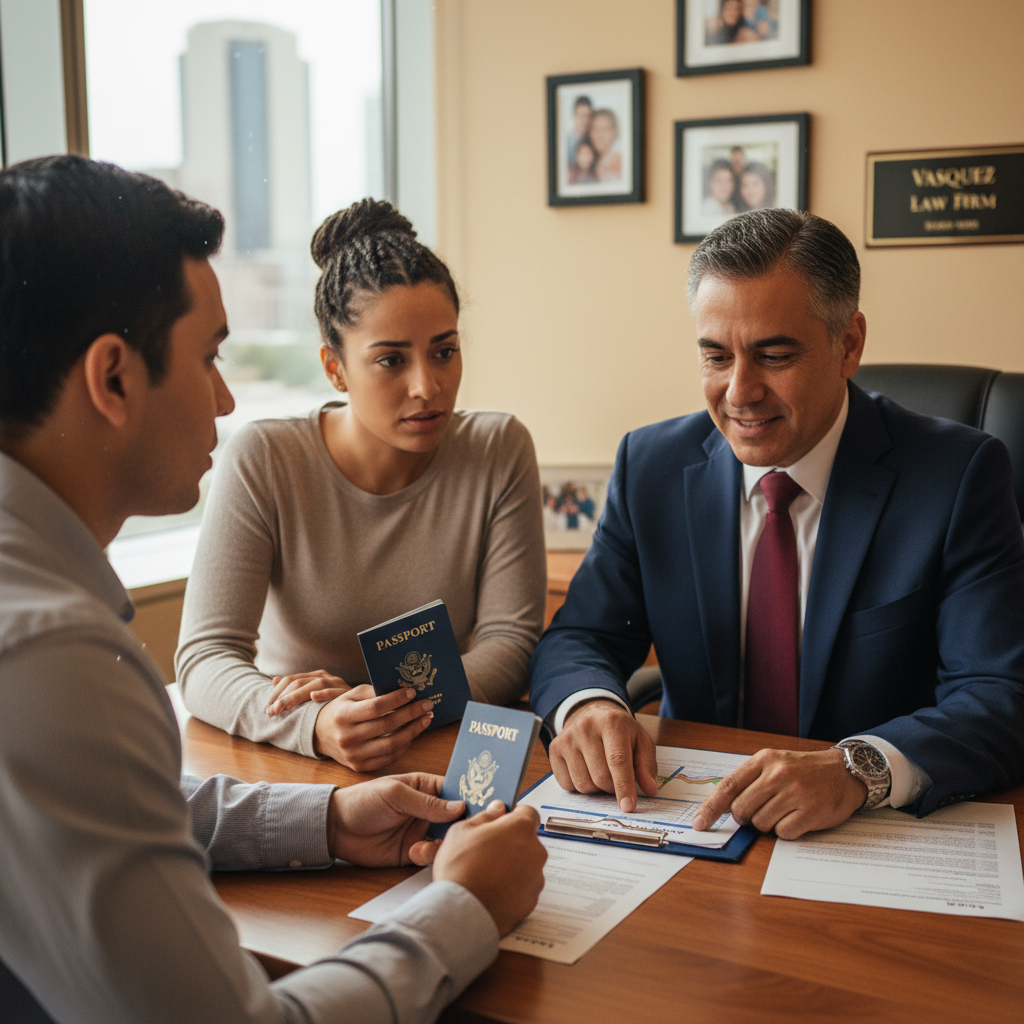
When visa rules change fast, families and employers can feel stuck. If you are waiting on a visa, consular interview, or travel document, an immigration lawyer can help you understand what the government can (and cannot) do, what options you still have, and what to prepare next. This guide explains how visa freezes and slowdowns can affect real cases, what steps to take right away, and how to protect your long-term immigration goals.
Worried your visa case is paused or denied? Talk with our team before you make a move that hurts your case. Call 1-844-967-3536 or request a consultation. Se Habla Español.
What This News Means for Raleigh Residents
A quick summary of the reported freeze
Recent reporting has raised concerns about a broad pause in visa processing for many countries. If you have family abroad, an employer sponsoring you, or travel planned, even a short pause can turn into months of delay.
Here is the report that sparked many questions: news report on a visa-processing freeze affecting multiple countries.
Why this matters locally in Raleigh
In raleigh, many households include students, workers, and family members connected to consular processing abroad. A freeze can interrupt weddings, job start dates, school terms, and family reunification.
It can also impact employers in the Research Triangle region who rely on global talent. Even if your petition is approved, the last step (the visa stamp at a U.S. embassy or consulate) can be where everything stops.
Who is most likely to feel the impact
Depending on the type of pause or policy shift, common groups affected include:
- Immediate relatives waiting on immigrant visa interviews
- Fiancé(e) visa applicants (K-1) and spouses (CR-1/IR-1)
- Employment-based immigrants and certain nonimmigrants
- People stuck in “administrative processing” under INA § 221(g)
Visa Processing Basics (and Where Cases Get Stuck)
USCIS vs. Department of State: two different systems
Many people think “immigration” is one office. It is not. Most cases touch both:
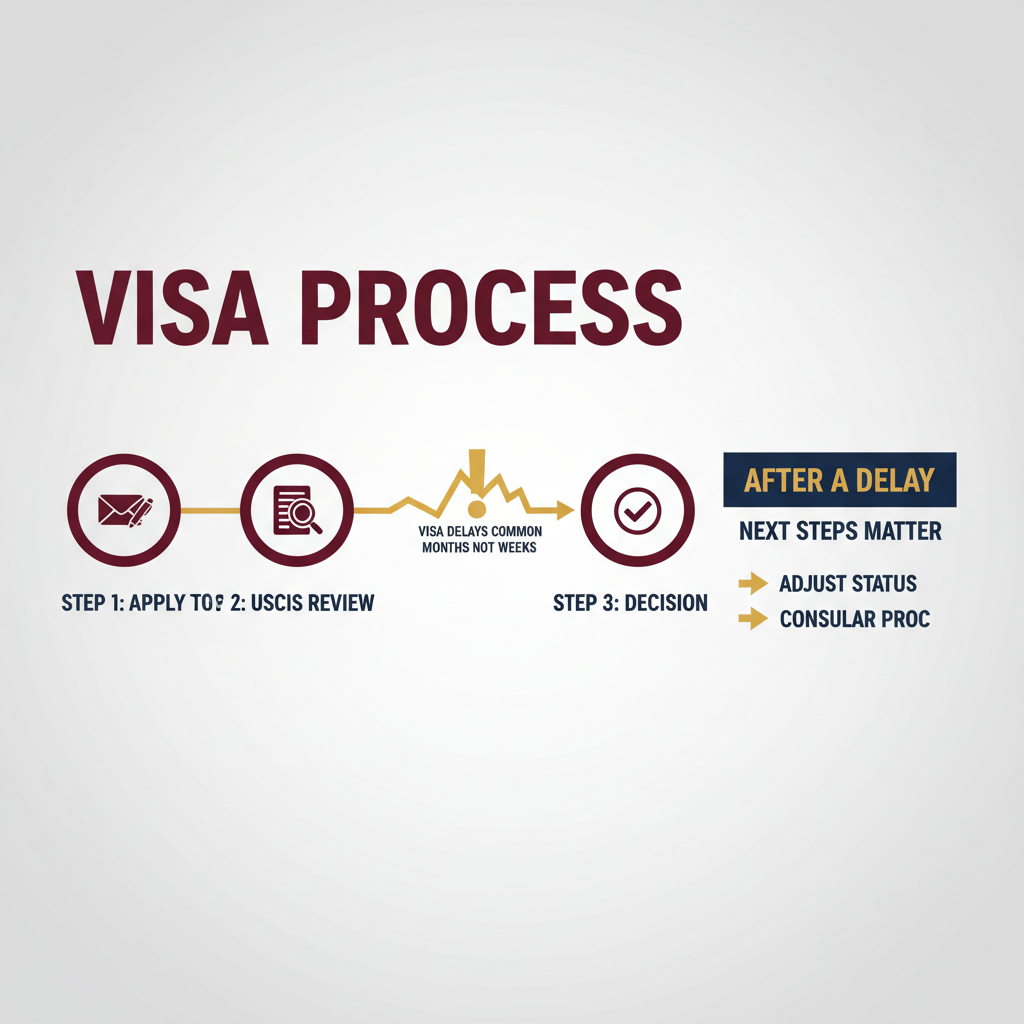
- USCIS reviews petitions inside the U.S. (family, work, humanitarian). See USCIS for official forms and processing updates.
- The U.S. Department of State manages visa issuance at consulates abroad. See U.S. visa information from the Department of State.
If USCIS approves your petition, that does not guarantee the consulate will issue the visa right away. A consulate can still refuse under certain grounds or hold the case.
Consular processing vs. adjustment of status
Two main paths exist for many green card cases:
- Consular processing: the applicant is outside the U.S. and interviews at a consulate.
- Adjustment of status: the applicant is in the U.S. and applies for a green card through USCIS (often under 8 U.S.C. § 1255).
If visa issuance abroad is paused, it can be worth asking whether adjustment of status is possible in your case. Not everyone qualifies, and timing matters.
Common reasons for visa holds and delays
Not every delay is a “freeze.” Some delays come from routine steps, including:
- 221(g) administrative processing (missing documents or extra review)
- Security or background checks
- Medical exam issues or expired results
- Public charge and financial sponsorship questions (affidavit of support)
- Misrepresentation concerns (even unintentional mistakes can trigger serious problems)
Legal Authority Behind Visa Decisions (in Plain English)
Key laws that shape visa approvals and denials
Visa decisions are grounded in the Immigration and Nationality Act (INA) and related regulations. Examples include:
- Inadmissibility grounds under 8 U.S.C. § 1182 (health, criminal issues, prior immigration violations, and more).
- Adjustment of status rules under 8 U.S.C. § 1255.
- Nonimmigrant classifications and compliance rules often implemented through regulations in Title 8 of the Code of Federal Regulations (8 C.F.R.).
Because the law is technical, the “right” solution often depends on small facts: entries, exits, prior filings, and what was said in earlier applications.
Important court principles: what judges can review
Many visa refusals happen at consulates abroad. U.S. courts often have limited power to review those decisions, a doctrine sometimes called “consular nonreviewability.” A frequently cited case is Kleindienst v. Mandel, 408 U.S. 753 (1972), which generally limits review where the government gives a “facially legitimate and bona fide” reason.
That does not mean you are helpless. It means strategy matters: stronger documentation, cleaner filings, correct waiver planning, and knowing when a new application (or a different path) is better.
If your case involves immigration court
Some readers are also dealing with removal proceedings. Immigration court is run by the Executive Office for Immigration Review. Official information is available at EOIR (Executive Office for Immigration Review).
If you have court dates, do not assume a visa policy change fixes a court case. Missing a hearing can cause an in-absentia order, which can be very hard to undo.
Reminder: If your visa interview is delayed, refused under 221(g), or you are unsure whether you can switch to a U.S.-based process, get advice fast. Call 1-844-967-3536 or message us. Se Habla Español.
What to Do Right Now If Your Visa Case Is Paused
A practical checklist for the next 7–14 days
If your case is affected by a freeze, slowdown, or unexpected refusal, focus on actions you can control:
- Confirm where the case is: USCIS, NVC, consulate, or CBP (port of entry) issues all require different steps.
- Gather your full file: copies of every form, receipt, decision, DS-160/DS-260 confirmation, and interview notes.
- Check expiration dates: medical exam, police certificates, passport validity, and fee payments.
- Document urgency: job start letters, medical needs, family emergencies (these may support expedite requests).
- Do not “guess” on reapplying: a rushed new application can create inconsistent answers and misrepresentation risk.
Mistakes that can make delays worse
People often try to fix delays alone and accidentally create new problems. Common missteps include:
- Submitting new forms that contradict older filings
- Leaving out prior arrests, overstays, or refusals
- Using fake documents or “template” support letters
- Traveling without clear permission while a case is pending
Even a small inconsistency can trigger deeper review and longer administrative processing.
Options that may still exist (depending on your facts)
While no lawyer can promise a government decision, there may be alternatives worth exploring, such as:
- Expedite requests with proper evidence (limited situations)
- Re-scheduling or re-opening interview steps where allowed
- Switching to adjustment of status if you are eligible and in the U.S.
- Waiver planning (for unlawful presence, misrepresentation, or certain criminal grounds)
- Employer contingency planning for start dates and work authorization
What an Immigration Lawyer Actually Does in a Crisis
Build a case strategy, not just paperwork
An immigration lawyer should do more than fill out forms. The goal is to choose the safest path and reduce avoidable delays. That includes spotting issues that may not be obvious, like prior status violations, incorrect visa categories, or risks at the interview.
At Vasquez Law Firm, PLLC, our approach is to map your history, identify legal risks, and build a plan with backup options.
Strengthen evidence to reduce “discretion” problems
When processing is tight, officers often rely on the paper record. Strong, organized evidence matters. Depending on the case, that may include:
- Relationship proof for family petitions (timelines, shared finances, photos with context)
- Employer documentation for work visas (duties, wages, degree match)
- Travel and status records (I-94 history, entry stamps, prior approvals)
- Clear explanations for gaps, name variations, or prior refusals
Handle communications and next-step planning
Delays often come with confusing notices and shifting instructions. Counsel can help you respond correctly, track deadlines, and avoid “panic filings.”
If your matter also touches removal defense, we coordinate strategy carefully because immigration court outcomes can affect future consular processing.
Why Raleigh Clients Choose Vasquez Law Firm, PLLC
15 years of immigration experience and real local insight
Attorney Vasquez, JD, has 15 years of experience in immigration law and is admitted to the North Carolina State Bar and the Florida Bar. We help clients plan for both short-term problems (like an interview delay) and long-term goals (like permanent residence and citizenship).
We regularly work with people serving raleigh residents and families across Wake County and the surrounding area, including Cary, Durham, Chapel Hill, and Garner.
Local touchpoints that often come up
Many immigration steps happen outside a courthouse, but local logistics still matter. Clients in raleigh often ask about:
- Biometrics appointments at an Application Support Center (ASC)
- Travel plans through Raleigh-Durham International Airport (RDU)
- Coordinating documents, translations, and affidavits on short notice
When court is involved, immigration hearings are typically at federal immigration court locations (often outside the Triangle), so planning and deadlines are critical.
Clear communication in English and Spanish
Immigration is stressful. It is worse when you cannot get answers in your language. Se Habla Español, and we explain each step in plain terms so you know what to expect.
Frequently Asked Questions About Hiring an Immigration Lawyer
Common questions we hear from families and employers
1) Do I really need an immigration lawyer for a visa delay?
Not every delay requires counsel, but many do. If the delay involves 221(g), suspected inadmissibility, prior overstays, prior denials, or inconsistent records, a lawyer can reduce the risk of a permanent refusal. An immigration lawyer can also help you avoid reapplying in a way that makes things worse.
2) What is “administrative processing” and how long does it take?
Administrative processing usually means the consulate is not ready to issue the visa yet. It may involve missing documents, background checks, or extra review. Timelines vary widely. A lawyer can help you provide the right documents, clarify the legal issue, and plan alternatives if the hold continues.
3) Can a lawyer speed up USCIS or the consulate?
No attorney can guarantee faster processing. But a lawyer can submit a complete, consistent case, respond correctly to requests, and explore lawful expedite options when you meet strict criteria. The biggest benefit is often preventing avoidable delays.
4) If visa processing is frozen, should I file a new application?
Sometimes yes, often no. Filing again without a strategy can create inconsistent answers and raise misrepresentation concerns. Before you reapply, review the refusal reason (if any), confirm your eligibility, and check whether a waiver or different visa category is needed.
5) I live in Raleigh. Where will my immigration case be handled?
It depends on the type of case. USCIS steps may be handled through regional USCIS offices and support centers, while consular processing is handled abroad. If you are in removal proceedings, your hearings are scheduled through EOIR. A lawyer can explain which agency controls your next step and what timelines are realistic for raleigh clients.
6) What should I bring to a consultation?
Bring passports, all USCIS receipt numbers, prior approvals/denials, DS-160/DS-260 confirmation pages, interview letters, any 221(g) sheet, and any criminal or court documents. If you are petitioning a family member, bring proof of the relationship and financial documents for sponsorship.
Ready for a clear plan? If you are dealing with a visa freeze, a refusal, or months of silence, do not wait and hope. Call 1-844-967-3536 or request your consultation with our team today. Se Habla Español.
Learn more: You can review our Immigration Law services, meet our team on the Attorney Vasquez page, or request a free consultation.
Disclaimer: This article is for general information only and is not legal advice. Immigration laws and procedures change, and outcomes depend on the facts of each case.
Free Legal Consultation
Discuss your case with our experienced attorneys. We're available 24/7.
Vasquez Law Firm
Legal Team
Our experienced attorneys at Vasquez Law Firm have been serving clients in North Carolina and Florida for over 20 years. We specialize in immigration, personal injury, criminal defense, workers compensation, and family law.